


-
-
-
Power Racks
-
Pro Power Rack + Lat Machine
-
-
-
Half Racks
-
Half Rack Complete SET
-
-
-
Foldable Racks
-
Foldable Rack Complete
-
-
-
Multistations
-
-
-
-
-
-
Panca Regolabile PRO
-
-
-
Panca Regolabile Pieghevole
-
-
-
Panca Piana
-
-
-
-
-
-
Pavimento Gommato Elite
-
-
-
Pavimento Gommato Raw
-
-
-
Pavimento Gommato 1cm
-
-
-
-
-
-
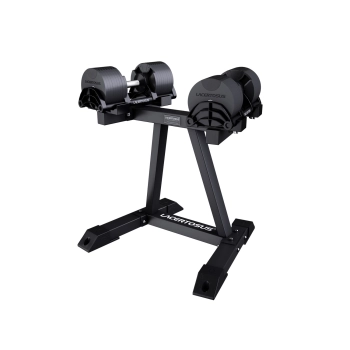
Manubri regolabili 2-32 + rastrelliera
-
-
-
-
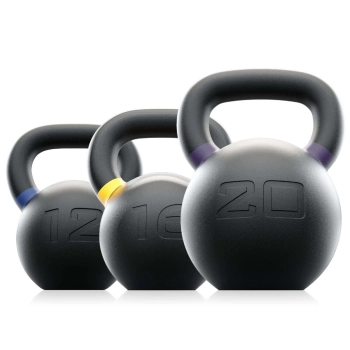
Kettlebells
-
-
-
-
-
-
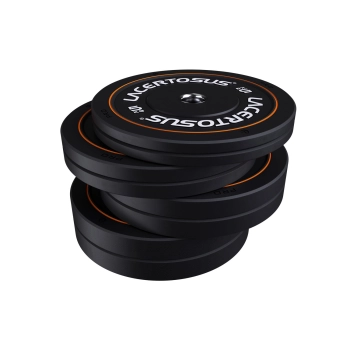
Set Dischi Bumper PRO 100Kg
-
-
-
-
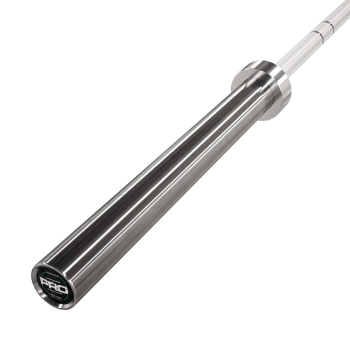
Bilanciere Crosstraining
-
-
-
-
-
Dual Arm Kompressor
-
-
Stazione Cavi a Muro Compatta
-
-
-
Lat Machine Stand Alone
-
-
-
Leg Press Club Line
-
-
-
-
-
-
Assault AirBike
-
-
-
Power Runner
-
-
-
Vogatore ad Aria
-
-
-
-
-
-
-
Training Accessories
-
-
-
Giacca

-
-
-
Top

-
-




Product category FAQs


 Meticulously Designed in Italy
 Meticulously Designed in Italy


 Meticulously Designed in Italy

 Meticulously Designed in Italy




 Meticulously Designed in Italy
 Meticulously Designed in Italy
 Meticulously Designed in Italy


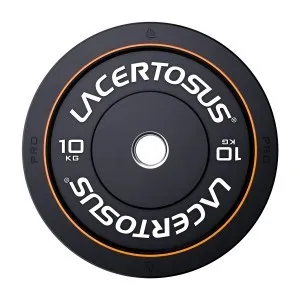
Bumper plates are rubber-coated weights designed for weightlifting. Unlike traditional metal plates, bumper plates can be dropped to the ground without damaging the floor or the plates themselves. This makes them ideal for high-intensity workouts and exercises that involve explosive movements or drops.
There are several types of bumper plates, each with specific features. Standard bumper plates are the most commonly used for training and competitions. Competition bumper plates, on the other hand, are designed for weightlifting competitions, offering greater precision and tighter weight tolerances.
Another key factor is rubber hardness, which directly affects bounce control and noise levels when dropped.
The choice depends on your training type, budget, and gym equipment. For Olympic weightlifting or CrossTraining, competition bumper plates are the best choice due to their accuracy and durability.
Key factors include plate weight, rubber coating quality, and the choice between colored or black plates. Colored plates are useful in competitions for quick weight identification, while black plates are a classic option for gyms.
Ensure the rubber coating is high-quality for better durability and floor protection. Other important aspects are hardness and thickness—denser rubber compounds result in thinner plates for the same weight and standard 450 mm diameter. This is why BPP plates are thinner than BPT ones. If combined with materials like steel, even greater calibration accuracy and thinner profiles can be achieved, as seen in BPCE plates.
To extend the lifespan of your bumper plates, avoid exposing them to outdoor conditions, direct sunlight, and temperature fluctuations. Regularly clean them to remove dust and sweat, especially in shared gym environments.